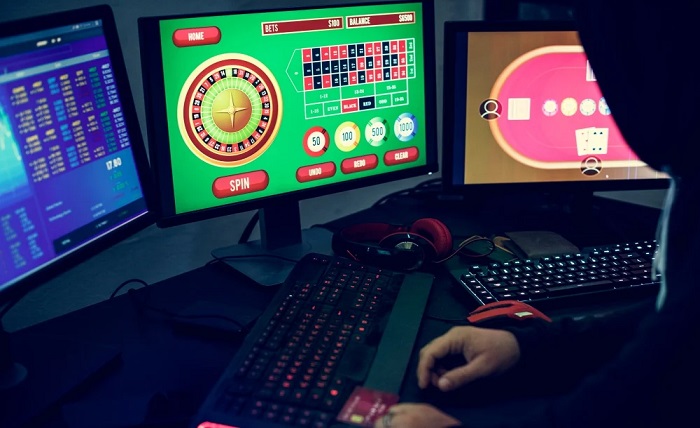
The panic button in Germany is one of the clearest signs that a casino site is operating under German gambling rules. It is not a customer support shortcut, a complaints form, or a soft reminder to take a break. It is a legally required emergency stop tool that blocks the player from gambling for 24 hours as soon as it is pressed.
The rule applies to licensed online sports betting, online poker, virtual slot machines, and online casino games offered in Germany. The button must be clearly visible and clearly labelled. It also has to stay available wherever actual gambling can take place, not hidden at the bottom of a responsible gambling page that most players never open.
The important detail is that this button works immediately. Players often go to platforms like casinoonlinegermania.de to check casino sites and their safety tools before choosing where to register, and the panic button is one of the details worth noticing. Once pressed, the site is not allowed to ask, “Are you sure?” or show a second confirmation screen. The whole point is to remove delay, because a player who is chasing losses may change their mind within seconds.
What Happens After You Press It?
Pressing the panic button triggers a short-term gambling block for exactly 24 hours. During that time, the player should not be able to continue gambling on licensed German sites. In practice, this means no new slot spins, no poker tables, no sports bets, and no new casino wagers.
The block is recorded through Germany’s central player blocking system, commonly known as OASIS. This matters because the block is not limited to the single site where the button was pressed. If a player activates it on one licensed platform, the protection is meant to work across licensed gambling offers connected to the German system.
A player loses €150 on a virtual slot site, feels frustrated, and presses the panic button at 10:20 p.m. From that moment, the 24-hour block begins. If the same person tries to log in to another licensed German betting or casino site at 10:45 p.m., the system should detect the active block and stop gambling access there too.
What It Does Not Do
The panic button does not delete the account, does not cancel the player’s balance, and does not create a permanent self-exclusion. After 24 hours, the short-term block ends automatically, without the player having to file an application or contact the operator.
This is different from a regular OASIS self-exclusion. A normal self-exclusion is a longer measure. In Germany, a player can request a self-exclusion for at least three months. A third-party exclusion, such as one based on serious signs of addiction or financial harm, can last 12 months. Those longer exclusions do not end automatically in the same simple way.
The panic button is therefore best understood as a cooling-off tool. It gives the player one full day away from gambling when emotions are high. It is useful after a sudden loss, a long session, or a moment when a player notices they are no longer making calm decisions.
Does It Cost Anything?
No player fee should apply for using the panic button. The same general principle applies to OASIS blocking tools. They are designed as consumer protection measures, not paid account features.
The site also cannot treat the button as a bonus condition, a penalty, or a reason to take funds from the player. Any remaining money in the account should still belong to the player. Withdrawals may still depend on normal checks, such as identity verification or payment method rules, but the panic button itself is about stopping gambling access, not confiscating money.